
Blended families bring love, complexity, and unique financial dynamics. When children from previous relationships, new spouses, stepchildren, and shared assets all come together, estate planning becomes more than just a legal task—it becomes a way to prevent future conflict and protect relationships.
In Arizona, where estate laws follow community property principles and probate processes can still be time-consuming, blended families face even more challenges if planning is unclear or outdated. Without a clear estate plan, disagreements over inheritance, property rights, and decision-making authority can quickly escalate into legal disputes.
Estate planning for blended families is not about choosing sides—it’s about ensuring fairness, clarity, and protection for everyone involved.
Key Takeaways
- Blended families in Arizona need customized estate planning strategies.
- Clear documentation helps prevent inheritance disputes and probate conflicts.
- Trusts are often more effective than simple wills for complex families.
- Communication during planning reduces emotional and legal tension later.
- Regular updates to your estate plan are essential after life changes.
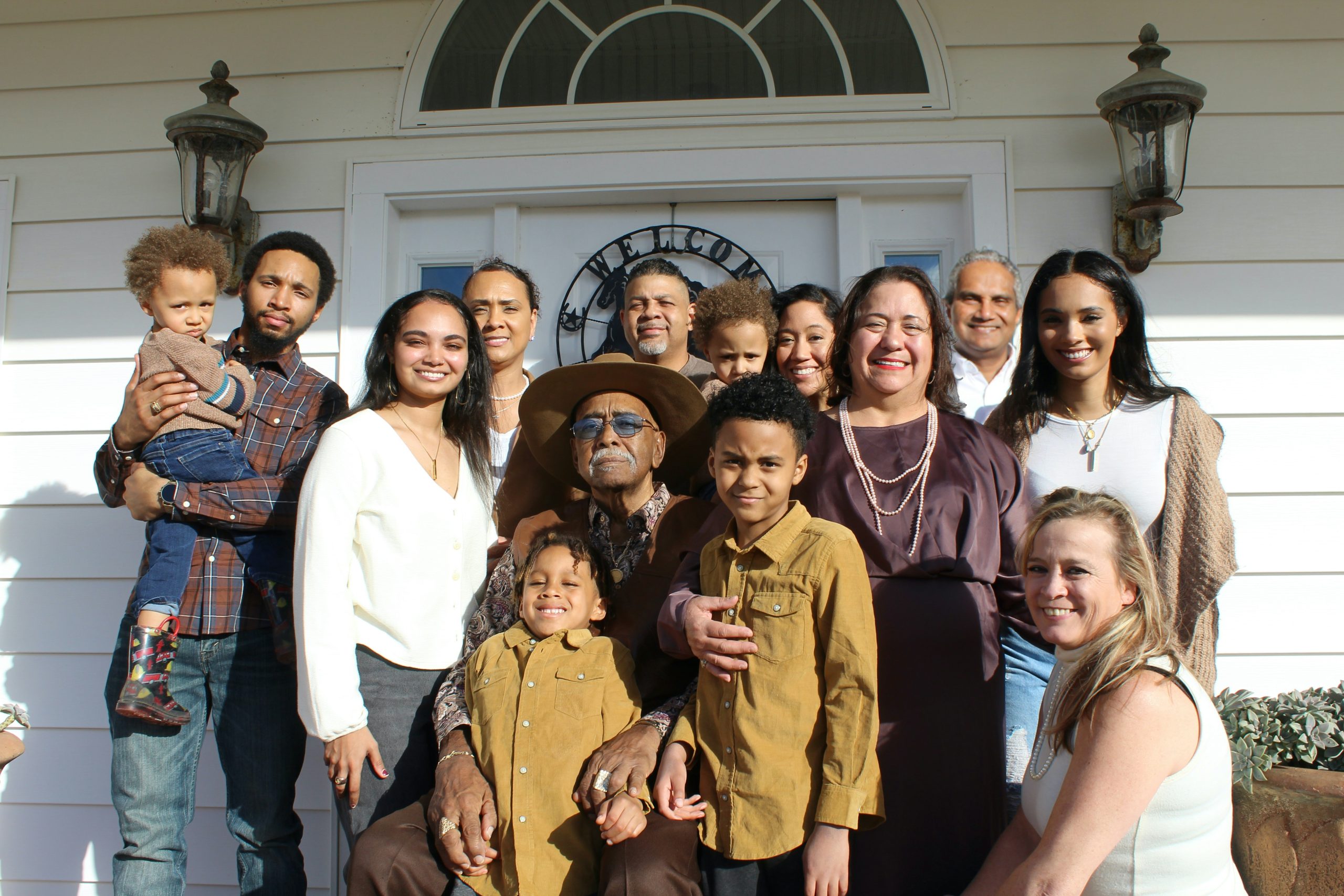
Understanding Blended Family Estate Planning Challenges in Arizona
Blended families often face estate planning issues that traditional families do not. Arizona law does not automatically account for emotional family dynamics, which makes proactive planning essential.
Conflicting Interests Between Spouse and Children
When you have a current spouse and children from a previous relationship, their financial interests may differ. Without clear instructions, disputes may arise over who inherits what and when.
Community Property Rules in Arizona
Arizona is a community property state, meaning assets acquired during marriage are generally shared equally between spouses. This can unintentionally limit what you can leave to children from a prior relationship unless properly structured.
Probate Court Exposure
If your estate plan is incomplete, your assets may go through probate. This process is public, time-consuming, and often intensifies family disagreements.
Intestate Succession Can Create Unexpected Results
If you die without a valid estate plan in Arizona, the state’s intestacy laws determine how your assets are distributed. While these laws are designed to provide a default framework, they may not reflect your personal wishes or the realities of your blended family.
For example, a surviving spouse may inherit only part of the estate if you have children from a previous relationship. Biological and legally adopted children generally have inheritance rights under Arizona law, while stepchildren do not automatically inherit unless they are specifically included in your estate plan.
This can create confusion and emotional tension among family members. Children may believe they were promised certain assets, while a surviving spouse may expect to receive everything. These differing expectations often become the source of probate disputes.
By creating a comprehensive estate plan, you maintain control over who receives your assets and reduce the likelihood of conflict among loved ones.
Choosing the Right Estate Planning Tools for Blended Families

The tools you use in estate planning can make or break family harmony. For blended families, simple wills are often not enough.
Revocable Living Trusts for Flexibility and Control
A revocable living trust allows you to control how assets are distributed during your lifetime and after death. It helps you:
- Avoid probate
- Set specific inheritance rules
- Protect children from prior marriages
- Provide for a surviving spouse while preserving assets for heirs
Marital and Family Trust Structures
Trusts can be divided into sub-trusts to balance the interests between your spouse and children. This ensures both groups are financially protected without conflict.
Beneficiary Designations and Asset Titling
Many assets—like life insurance and retirement accounts—pass outside of a will. Keeping beneficiary designations updated is critical to avoid unintended outcomes.
Powers of Attorney and Healthcare Documents Matter
Estate planning involves much more than deciding who inherits your property after death. You should also consider who will make financial and medical decisions on your behalf if you become incapacitated.
A durable financial power of attorney allows someone you trust to manage bank accounts, pay bills, and handle legal matters. A healthcare power of attorney gives another person authority to make medical decisions if you cannot communicate your wishes.
Many blended families choose these individuals carefully because relationships between spouses, adult children, and stepchildren can become complicated during a medical crisis. Clear documentation helps prevent disagreements and ensures your wishes are followed.
Advance directives and living wills can also guide end-of-life care, reducing stress for family members during emotionally difficult situations.
Protecting Children from Prior Relationships
One of the most sensitive issues in blended family estate planning is ensuring children from previous relationships are not unintentionally disinherited.
Clearly Defined Inheritance Rights
You should explicitly outline what each child receives. Ambiguity is one of the leading causes of estate disputes in blended families.
Use of “Testamentary Trusts”
A testamentary trust ensures children receive assets at specific ages or milestones rather than receiving lump sums immediately.
Preventing Unintentional Disinheritance
Without proper planning, a surviving spouse may inherit everything, leaving children from a prior relationship with nothing. Arizona law does not automatically protect against this scenario unless structured in advance.
Using Life Insurance to Promote Fairness
Life insurance can be a valuable estate planning tool for blended families in Arizona. Rather than dividing every asset equally, some families use life insurance proceeds to provide financial support to children from a previous marriage while allowing a surviving spouse to retain ownership of other assets.
For example, you may leave the family home to your current spouse while naming your children as beneficiaries of a life insurance policy. This approach can help create balance and minimize resentment between family members.
Because beneficiary designations control the distribution of life insurance proceeds, it is important to review these designations regularly. Outdated forms may unintentionally direct benefits to a former spouse or someone you no longer intend to include.
Working with estate planning professionals can help ensure that life insurance complements your overall estate plan rather than creating additional complications.
Ensuring Fairness for Your Current Spouse

Your estate plan must also protect your current spouse’s financial stability while maintaining fairness for all heirs.
Providing Lifetime Income Rights
You can structure trusts to allow your spouse to live in your home or receive income from assets during their lifetime.
Balancing Immediate Needs and Long-Term Legacy
A well-designed estate plan ensures your spouse is financially secure while preserving principal assets for children or other beneficiaries.
Avoiding Family Conflict After Death
Clear instructions reduce the risk of your spouse being pressured or challenged by stepchildren or extended family members.
Protecting the Family Home
The family residence often carries both financial and emotional significance. In blended families, disagreements frequently arise regarding who should inherit the home and whether it should be sold after the death of one spouse.
Some couples choose to place the property into a trust that allows the surviving spouse to remain in the home for life while ensuring that ownership eventually transfers to children from a previous relationship. Others may establish specific instructions regarding maintenance costs, taxes, and future sale proceeds.
Arizona’s community property laws can affect ownership rights, making it especially important to understand how the home is titled. Proper planning can preserve stability for a surviving spouse while protecting your long-term legacy for your children.
Communication Strategies That Reduce Estate Conflict
Even the best estate plan can fail if family members are surprised or confused by it.
Discussing Intentions Early
You don’t need to share every detail, but discussing your general wishes can reduce shock and misunderstanding later.
Explaining the “Why” Behind Decisions
When family members understand your reasoning, they are more likely to respect your choices.
Using Professional Mediated Discussions
Some families benefit from having an estate planning attorney or advisor explain the structure to avoid emotional misinterpretation.
Family Meetings Can Prevent Misunderstandings
Many estate disputes arise because beneficiaries are surprised by the contents of a will or trust. Although you are not required to disclose every detail, discussing your overall goals with family members can help manage expectations.
Family meetings provide an opportunity to explain your intentions and clarify that your decisions are based on fairness rather than favoritism. These conversations may also reveal concerns that can be addressed before they develop into legal disputes.
Professional advisors can facilitate these discussions and help maintain a productive environment. Open communication often strengthens family relationships and reduces the likelihood of future litigation.
Transparency Can Help Preserve Relationships
You do not have to disclose every financial detail to your family members, but providing some level of transparency can help prevent misunderstandings later. Surprises often contribute to resentment and legal disputes, especially when family members have different assumptions about inheritance.
Explaining your goals and values allows your loved ones to understand that your decisions are intended to promote fairness rather than favoritism. In blended families, this can be particularly important because emotional relationships are often more complex.
Although these conversations may feel uncomfortable, they can strengthen trust and reduce the possibility of disagreements after your death. Honest communication combined with a well-structured estate plan can help preserve family relationships for generations to come.

Keeping Your Estate Plan Updated Over Time
Blended families evolve. Marriages, divorces, births, and financial changes can quickly make old plans outdated.
Updating After Major Life Events
You should review your estate plan after:
- Marriage or remarriage
- Birth of a child or grandchild
- Divorce or separation
- Major asset changes
Adjusting for Changing Relationships
Family relationships can shift over time. Your estate plan should reflect current realities, not past circumstances.
Regular Legal Reviews in Arizona
Arizona estate laws and tax considerations can change. Periodic legal reviews help ensure your plan remains valid and effective.
Changes in Assets Require Estate Plan Reviews
Your financial circumstances may change considerably over time. You may acquire investment properties, start a business, inherit assets, or experience significant increases in wealth.
These developments should trigger a review of your estate plan. An outdated plan may fail to account for newly acquired property or changing priorities within your family.
Blended families are particularly vulnerable to outdated documents because marriages, divorces, births, and changing relationships can alter inheritance goals. Reviewing your estate plan periodically helps ensure that your documents remain aligned with your wishes and current Arizona law.
Avoiding Common Estate Planning Mistakes in Blended Families
Many blended families unintentionally create conflict due to avoidable mistakes.
Relying Only on a Simple Will
A will alone often fails to address complex family structures and can lead to probate disputes.
Not Updating Beneficiaries
Old beneficiary designations can override your will and cause unintended inheritances.
Failing to Fund Trusts Properly
Even a well-drafted trust is ineffective if assets are not properly transferred into it.
Choosing the Wrong Trustee or Executor
Selecting the right trustee or executor is one of the most important decisions you will make. In some blended families, appointing one child over another may create resentment or accusations of favoritism.
For this reason, many people choose a neutral third party, professional fiduciary, or trusted advisor to administer the estate. This individual is responsible for carrying out your wishes and communicating with beneficiaries.
A qualified trustee or executor can help maintain objectivity, reduce emotional tensions, and ensure that assets are distributed according to your instructions. Choosing the wrong person, however, can lead to delays, disputes, and costly litigation.
Why Trusts Are Often Preferred for Blended Family Estate Planning in Arizona
Greater Privacy Than Probate
Probate proceedings are generally part of the public record. Trusts, on the other hand, allow your family’s financial matters to remain private. This confidentiality can help reduce unnecessary disputes and preserve family relationships.
More Control Over Asset Distribution
Trusts provide flexibility that simple wills cannot match. You may specify when beneficiaries receive their inheritance, establish conditions for distributions, and protect assets from creditors or poor financial decisions.
For blended families, this flexibility is particularly valuable because it allows you to provide for a surviving spouse while preserving assets for children from previous relationships.
Continuity During Incapacity
If you become incapacitated, a successor trustee can immediately manage trust assets without court involvement. This continuity can be especially important when multiple family members are involved in decision-making.
Reduced Risk of Litigation
Clear trust provisions often reduce ambiguity and minimize opportunities for disputes. While no estate plan can guarantee complete harmony, trusts frequently provide stronger protection against challenges and misunderstandings than wills alone.
For many Arizona families, trusts are an effective way to balance competing interests and preserve family unity while ensuring that your wishes are honored.
The Importance of Reviewing Beneficiary Designations in Arizona

Retirement Accounts and Life Insurance Policies
Many people assume that their will or trust controls every asset they own. However, certain assets pass directly to named beneficiaries. Retirement accounts, life insurance policies, annuities, and payable-on-death bank accounts are common examples.
This means that beneficiary designations can override instructions contained in your will. If these forms are outdated, your assets may pass to unintended individuals, including a former spouse.
For blended families, this issue can become especially significant. Children from previous marriages, current spouses, and stepchildren may all have different expectations regarding inheritance. Reviewing beneficiary forms regularly helps ensure that your assets are distributed according to your wishes.
Divorce and Remarriage Can Create Problems
Major life events should always trigger a review of your estate plan and beneficiary designations. After a divorce, some individuals forget to remove a former spouse from retirement accounts or insurance policies. Years later, those assets may pass to someone they no longer intended to benefit.
Remarriage can create additional complications. You may wish to provide financial support for your current spouse while also preserving assets for children from a previous relationship. Without updated beneficiary designations, your overall estate plan may not function as intended.
Arizona residents should periodically review account documents to confirm that they align with current family circumstances.
Coordinating Beneficiaries With Your Overall Estate Plan
Beneficiary designations should work together with your wills, trusts, and other estate planning documents. Consistency among these documents reduces confusion and helps avoid disputes among family members.
For example, if your trust is designed to provide income for your spouse while preserving assets for your children, naming individual beneficiaries on retirement accounts without considering the trust may unintentionally disrupt those goals.
Coordinating every component of your estate plan creates a more comprehensive strategy and helps reduce the risk of future conflict. Taking the time to review these details today can provide greater peace of mind for both you and your loved ones.
Conclusion
Blended families in Arizona face unique estate planning challenges, but with the right strategy, you can prevent conflict and protect the people you care about most. The key is clarity—clear instructions, clear communication, and clear legal structures.
By using tools like trusts, updating beneficiary designations, and regularly reviewing your plan, you reduce uncertainty and ensure your wishes are honored. Most importantly, you create peace of mind for your spouse and children, knowing that future conflict has been thoughtfully addressed before it ever begins.
Estate planning is not just about distributing assets—it’s about preserving family relationships when you are no longer there to guide them.
Frequently Asked Questions
1. What is the best estate planning tool for blended families in Arizona?
A revocable living trust is often the most effective tool because it avoids probate and allows customized distribution of assets.
2. Can my spouse automatically inherit everything in Arizona?
Not necessarily. Arizona community property laws and intestate succession rules can affect how assets are distributed. If you have children from a prior relationship, careful estate planning is important to balance the interests of your spouse and children.
3. How can I protect children from a previous marriage?
You can use trusts, clear inheritance instructions, and updated beneficiary designations to ensure they are included.
4. What happens if I die without an estate plan in Arizona?
Your assets will go through intestate succession laws, which may not reflect your wishes and can create family conflict.
5. Should both spouses in a blended family have separate estate plans?
Yes. Each spouse should have a coordinated but individualized estate plan to reflect their own children and assets.
6. How often should I update my estate plan?
You should review it every 3–5 years or after major life changes like marriage, divorce, or new children.
7. Can estate planning prevent family disputes completely?
It significantly reduces conflict but cannot eliminate emotional disagreements. Clear planning is the strongest preventive measure.
Estate Planning for Blended Families in Arizona With DBF Legal
Blended families often come with unique estate planning challenges that require more than a basic will or outdated legal documents. When spouses have children from previous relationships, separate assets, shared property, or different long-term goals, it becomes critical to create a plan that protects everyone involved while clearly outlining your wishes. DBF Legal helps blended families throughout Arizona build customized estate plans designed to reduce conflict, protect loved ones, and provide long-term financial security. Whether your goal is to provide for a surviving spouse, preserve inheritances for children from a prior marriage, protect family assets, or avoid probate complications, our attorneys help create strategies tailored to your family’s specific needs.
Without a properly updated estate plan, blended families can face unintended outcomes, family disputes, and uncertainty during already difficult times. A plan created years ago may no longer reflect your current relationships, financial priorities, or future intentions. DBF Legal works closely with Arizona families to create and update wills, trusts, powers of attorney, healthcare directives, and asset protection strategies that evolve alongside your life and family structure. Contact DBF Legal today to create an estate plan that protects your spouse, children, assets, and legacy with clarity and confidence.
Disclaimer
The materials available on this website are for informational and educational purposes only and are not intended to provide legal or professional advice. You should consult with a qualified attorney for advice concerning any particular legal matter or situation. Do not act or refrain from acting based on any content included on this site without seeking appropriate legal counsel. The information presented on this website may not reflect the most current legal developments or laws. No action should be taken in reliance on the information provided on this website. We disclaim all liability for actions taken or not taken based on any or all of the contents of this site to the fullest extent permitted by law.